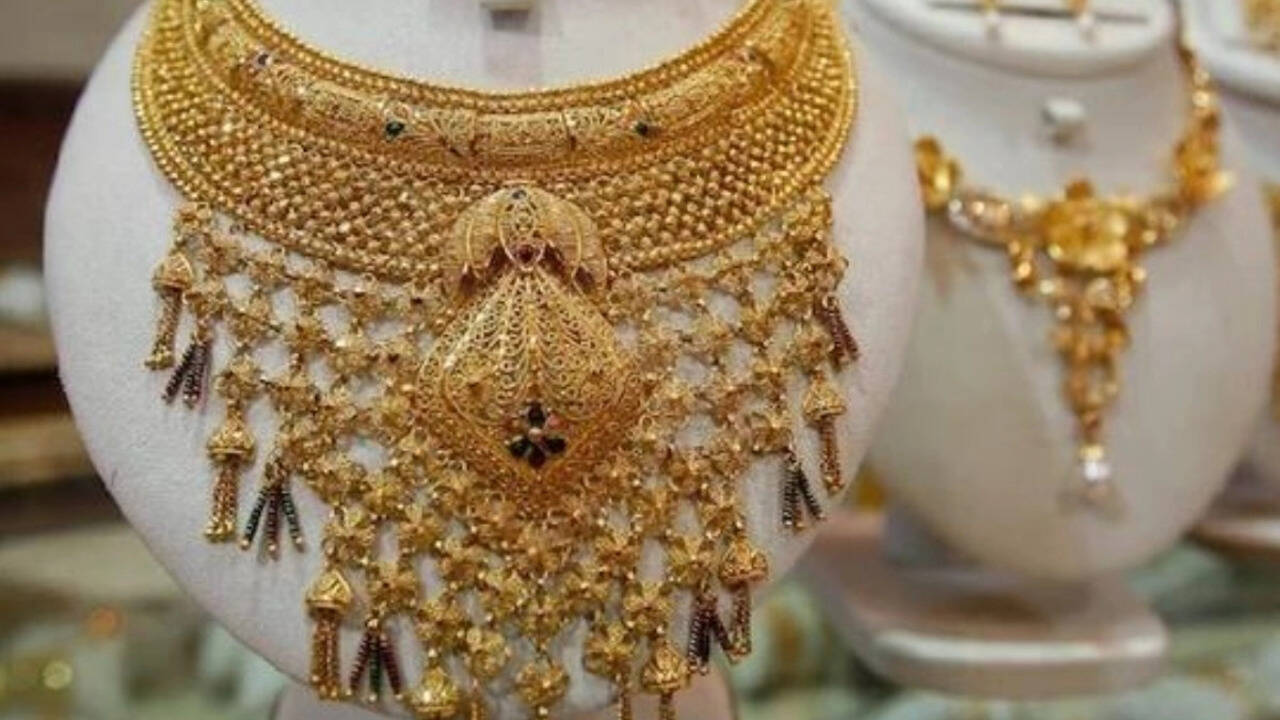
India's fascination with gold is legendary, weaving through centuries of culture, tradition, and economic life. More than just a precious metal, gold in India is a symbol of wealth, prosperity, and security, deeply ingrained in auspicious occasions, weddings, and festivals. This cultural reverence translates into a vibrant and complex market, making the Gold Rate Today India a topic of immense interest to consumers, investors, and economists alike. However, understanding the true cost and underlying dynamics of gold in the subcontinent requires a deeper dive than just glancing at a headline number. It involves navigating a unique interplay of global spot prices, government duties, local taxes, and formidable domestic demand.
Deconstructing the Gold Price Today India: Beyond the Headlines
When you see the "Gold Price Today India" quoted, it's often a reflection of the Multi Commodity Exchange (MCX) spot reference price. The MCX serves as India's primary domestic benchmark for physical gold. This critical reference price is published twice daily – once in the morning and again in the afternoon – offering up-to-the-minute insights into the market's pulse. While this domestic price is primarily expressed in Indian Rupees per 10 grams, it's often converted to US dollars per troy ounce for direct comparison with international benchmarks like XAU/USD (the international spot price for gold in US dollars).
It's crucial to understand that the MCX price is a dynamic figure, not a static reflection of the global rate. It inherently factors in various domestic market conditions. For instance, while import duties create a structural premium, MCX prices can sometimes trade at a discount compared to international rates due to fluctuations in the Indian Rupee, local supply availability, or prevailing market sentiment. This constant interplay is what makes the Indian gold market so unique and fascinating, influencing not just local prices but also potentially impacting global supply dynamics.
The Taxation Tapestry: Import Duties & GST on Gold
One of the most significant factors influencing the final cost of gold in India is its taxation structure. This includes both import duties and the Goods and Services Tax (GST).
Import Duties: Shaping the Domestic Price Floor
India, being the world's second-largest gold consumer, relies heavily on imports to meet its colossal demand. To regulate these imports, manage the current account deficit, and generate revenue, the government levies customs duties. As of the July 2024 Union Budget changes, the basic customs duty on gold stands at approximately 6%. This duty is not merely an add-on; it profoundly influences the domestic gold price levels because it directly affects the cost of deliverable gold within India. While these duties are factored into the underlying cost of gold that reaches the Indian market, they aren't mechanically added to exchange prices in a simple one-to-one manner. Instead, they form a fundamental part of the cost base for anyone importing physical gold into the country.
GST: The Transactional Tax at Retail
Beyond import duties, buyers in India also encounter the Goods and Services Tax (GST). On gold, GST is charged at a flat rate of 3%. Unlike import duties, GST is *not* included in the MCX quotes or futures prices. Instead, it is charged separately at the point of physical purchase or delivery. This means that the MCX price, or even the indicative wholesale price that includes customs duty, is not the final retail cost you pay at a jeweler or dealer. You must factor in the additional 3% GST on the transaction value.
To illustrate how these taxes stack up, let's consider an indicative example based on current market dynamics:
- International XAU/USD Spot Price: Let's assume $2,600 per troy ounce.
- Effective Import Duty (~6%): This would be approximately $156 ($2,600 * 0.06). This amount influences the domestic wholesale cost.
- Indicative MCX-derived Wholesale Level: Factoring in the duty and other market forces, this could be around $2,756 per ounce. This figure represents the cost of gold available for wholesale in India, before retail markup and GST.
- GST (3% on Transaction Value): On the wholesale level of $2,756, the GST would be approximately $82.68 ($2,756 * 0.03).
- Indicative Total Cost (including GST): The final price an individual might pay, excluding jeweler's making charges, could be around $2,838.68 per ounce.
This breakdown clearly shows that the "Gold Price Today India" is a multi-layered figure, with taxes significantly contributing to its final retail value. Savvy buyers and investors always account for both the duties and GST when assessing their investment.
Understanding India's Unique Gold Demand Dynamics
India's insatiable appetite for gold is legendary, and understanding its demand drivers is key to comprehending the local price movements. The cultural significance of gold plays an unparalleled role here. Gold is not just an asset; it's an integral part of family traditions, religious ceremonies, and personal milestones.
Cultural & Festival-Driven Consumption
Festivals like Diwali, Akshaya Tritiya, and Dussehra, along with the extensive wedding season, witness massive surges in gold demand. During these periods, gold is purchased as gifts, part of bridal trousseaus, or simply as an auspicious investment. This cultural pull means that demand is often seasonal and can create significant upward pressure on local prices, regardless of international trends. It's this deep cultural connection that makes the Gold Rate Today India a daily topic of discussion in households across the country.
Jewelry vs. Investment Demand
India's gold consumption is predominantly driven by jewelry fabrication, which accounts for a substantial 60-70% of total consumption. This indicates that a large portion of gold purchases are for adornment and cultural practices, rather than purely investment motives. However, investment demand for gold is also significant and growing. This includes physical forms like gold bars and coins, as well as modern avenues such as gold-backed exchange-traded funds (ETFs) and digital gold schemes. Many Indians view gold as a secure and reliable investment avenue, especially in times of economic uncertainty or rupee depreciation, as it acts as a traditional hedge against inflation.
This dual nature of demand – cultural and investment – ensures a robust market year-round, with specific peaks during festival seasons. India's sheer volume of gold imports can also significantly influence global supply dynamics, pulling physical metal from international markets, particularly London and Swiss refineries, whenever domestic demand surges.
The Elusive 'Premium': What Drives Price Fluctuations?
The "India gold premium" is a critical metric that measures the difference between the MCX spot reference price (when converted to USD/oz) and the international XAU/USD spot price. This premium is not static; it fluctuates constantly and can even turn into a discount depending on a confluence of factors, serving as a powerful indicator of physical demand strength and domestic market conditions.
Key Drivers of Premiums and Discounts:
- Demand Intensity: During peak festival seasons or periods of high consumer confidence, demand can outstrip local supply, leading to a widening premium. Conversely, subdued demand can see the premium shrink or even turn into a discount.
- Rupee Movements: The Indian Rupee's exchange rate against the US Dollar plays a vital role. A weakening rupee makes gold imports more expensive in local currency terms, potentially widening the premium if international prices remain stable in USD. A stronger rupee can have the opposite effect.
- Supply Logistics: The ease and cost of importing gold, including shipping, insurance, and local distribution, impact the premium. Any bottlenecks or disruptions in the supply chain can push premiums higher.
- Arbitrage Activity: Traders actively engage in arbitrage, buying gold in one market and selling it in another to profit from price differences. This activity helps to balance the premiums, but large discrepancies can persist during periods of high volatility or intense demand/supply imbalances.
- RBI Import Policy: The Reserve Bank of India (RBI) and government policies regarding gold imports can also impact the premium. Any restrictions or relaxations can influence supply availability and, consequently, the premium.
In practice, significant premiums often emerge during major festivals or when there are supply shortages in the domestic market, reflecting the urgency and volume of local buying. Conversely, during periods of weak demand or oversupply, the market might trade at a discount, offering a more attractive entry point for buyers.
Conclusion
Understanding the "Gold Price Today India" is a nuanced exercise, far more intricate than a simple international conversion. It requires an appreciation of India's unique cultural connection to gold, the impact of government duties and taxes, and the dynamic interplay of demand, supply, and currency fluctuations. For investors and consumers alike, staying informed about these factors is crucial for making smart purchasing and investment decisions. Gold continues to be a cherished asset in India, offering both cultural value and a tangible hedge against economic uncertainties, cementing its indispensable role in the nation's financial landscape for generations to come.